
Foundation Repair in Rollingwood, TX Built for Hillside Lots and Clay Soils
Rollingwood homes sit on some of the trickiest ground in Central Texas. Thin limestone, pockets of clay fill and steep slopes all move differently when a 100-degree summer gives way to a flash-flood weekend. That's when doors start sticking, stone veneer cracks in stair-steps, and floors pick up a slope you can feel in your socks. Westlake Foundation Repair Group stabilizes slab and pier-and-beam foundations across the Westlake area. We install piers, level floors, repair cracks and fix the hillside drainage that caused the trouble in the first place, so you're not paying for the same repair twice.
We've worked west of Austin since 2020, and hillside lots are what we do most. In West Lake Hills that means cut-and-fill settlement behind retaining walls. In Bee Cave it's slabs sitting on shallow limestone, and in Sunset Valley it's older ranch homes losing moisture to mature live oaks. Every inspection includes elevation readings, photos and a written report. When the work calls for it, we coordinate with a structural engineer, and our crews protect your landscaping, trees and hardscape the whole time.
- ✓Serving Rollingwood and the Westlake area since 2020
- ✓Bonded and insured
- ✓Elevation readings, photos and a written report with every inspection
- ✓Structural engineer coordination when needed
- ✓Financing available
- ✓Crews that protect your landscaping and hardscape
- ✓Service within a 20-mile radius of Rollingwood
Request Your Free Estimate
No obligation. Fast, honest quotes.
Thank you — your request was sent!
A member of the Westlake Foundation Repair Group team will reach out shortly. Need help now? Call (512) 601-8426.
Why Rollingwood Homes Need Specialized Foundation Repair
Most foundation trouble in Rollingwood doesn't come from poor construction. It comes from the ground under the house: limestone, clay and slope reacting to a climate that swings hard between drought and downpour. Knowing how those forces play out on your street is how you get a repair that lasts.
Drought, Downpours and the Balcones Fault Zone
Austin averages about 34–36 inches of rain a year, but it rarely arrives gently. We get long dry stretches, then storms that earn Central Texas the nickname Flash Flood Alley. Summers regularly bring more than 100 days at 90°F or hotter, and 2011, 2022 and 2023 set or came close to records for 100°F+ days. Rollingwood sits just west of the Balcones Fault Zone on Edwards Plateau limestone. The soils there are thin and rocky, with clay fill and marl pockets mixed in. When those pockets dry out, they shrink and pull away from slab edges. When storms soak them, runoff races downhill and washes out soil under the foundation. East of I-35, Blackland Prairie clays can heave and shrink several inches in a single season.
1950s Ranch Homes Next to Brand-New Builds
Rollingwood is a town of about 1,500 people, and much of it is 1950s–1970s ranch homes on large wooded lots. Many of the originals are pier-and-beam or early conventionally reinforced slabs finished in brick or Austin limestone veneer. Teardowns have put large modern homes right beside those 60-year-old foundations. Regrading on one lot often sends water onto the next. West Lake Hills has a similar mix: 1960s–80s homes on steep cut-and-fill lots with retaining walls, plus luxury builds on drilled piers. Older Austin neighborhoods like Tarrytown, Zilker and Travis Heights have 1920s–1950s bungalows whose cedar piers rot and shift over time.
Separate Cities, Separate Rules
Rollingwood is its own incorporated city. Structural work, retaining walls and drainage changes generally go through its City Hall permit and inspection process, and the city enforces tree protection and impervious cover limits. West Lake Hills has its own strict hillside, tree preservation and impervious cover rules. In Austin, foundation repair permits typically need an engineer's design or letter. The Heritage Tree Ordinance protects trees 24 inches in diameter and up, with stricter rules at 30 inches, and critical root zone protections can dictate where piers go. Much of the western area also sits over or near the Edwards Aquifer recharge and contributing zones. Texas has no statewide foundation contractor license, so engineer reports and clear documentation matter even more.
High-Value Homes, High Stakes
Homes in Rollingwood and West Lake Hills are often worth $1.5 million or more. Many families are here for Eanes ISD, and they expect clean job sites, engineer involvement and straight answers. Foundation findings during an option-period inspection can derail a sale within days, so fast turnaround and documentation that buyers and lenders will accept make a real difference to the outcome.
Common Foundation Problems in Rollingwood and West Austin
These are the problems we see most across Rollingwood, the Westlake hills and the clay-soil suburbs around Austin. Some are cosmetic and some are urgent. Each one has a cause, and if you fix the movement without fixing the cause, it usually comes back.
Hillside Slab Settlement on Cut-and-Fill Lots Serious
Many hillside lots were built by cutting into rock on the uphill side and filling with soil on the downhill side. The rock-supported half of the slab stays put while the fill half compresses and drops. Over time the house slowly tilts toward the downhill edge.
Why it's common hereRollingwood and West Lake Hills were developed on Edwards Plateau limestone, and builders in the 1960s–80s often leveled steep lots with whatever fill was handy, including clay and marl. That fill was rarely compacted to today's standards. Decades of drought cycles dried it out and storm runoff carried fines away. On top of that, regrading for teardown rebuilds next door can redirect water onto your downhill side, which speeds up settlement that had been creeping along for years.
Signs you'll notice- Floors that slope noticeably toward one side of the house
- Stair-step cracks in brick or limestone veneer on the downhill corners
- Doors that swing open or closed on their own
- Gaps between baseboards and the floor
- Cracked tile running diagonally across rooms
- Retaining walls leaning or cracking near the house
We see this most on the steep streets of West Lake Hills, in the Barton Creek area and on sloped lots off Rollingwood Drive and Pleasant Drive. It tends to get worse after a drought summer followed by a heavy fall storm season.
Our fix: Drilled or pressed piers set to stable bearing or socketed into limestone along the settling side. Then we lift the slab carefully and fix the drainage that undermined it.
Pier-and-Beam Sagging and Rotted Supports Moderate
Pier-and-beam homes rest on beams supported by piers over a crawl space. When cedar piers rot, concrete piers shift, or shims compress and fall out, the floor framing sags. You get bouncy, uneven floors and interior cracking.
Why it's common hereMuch of Rollingwood's original 1950s–70s housing and most of central Austin's 1920s–50s bungalows sit on pier-and-beam. Original cedar blocks were never meant to last 70 years. Moisture in crawl spaces after storms, poor ventilation and wood-destroying insects break down sills and beams. On clay soils, piers without proper footings rise and drop with the seasons. Remodels that added heavy tile or stone kitchens put extra load on framing that was never sized for it.
Signs you'll notice- Bouncy or spongy floors
- Floors that dip near interior walls or in the middle of rooms
- Musty odors or standing water in the crawl space
- Sheetrock cracks above doorways
- Shims visibly loose or missing under beams
- Exterior skirting pulling away
Common in Tarrytown, Zilker, Travis Heights and Barton Hills bungalows and in original Rollingwood ranch homes that haven't been rebuilt. Problems usually show up after wet springs, when crawl spaces stay damp for weeks.
Our fix: Re-shim, replace failed piers with concrete pier pads or poured piers, swap out rotted sills and beams, and improve crawl space drainage and ventilation.
Expansive Clay Heave and Shrinkage Serious
High-plasticity clays swell when they're wet and shrink when they're dry, and the house rides along. Perimeter beams can drop during droughts, then the center can dome upward after heavy rain. The slab ends up flexing out of plane.
Why it's common hereEast and south of the Balcones Fault, Blackland Prairie clays like Houston Black can move several inches in a season. Austin's climate pushes that movement to extremes: 100-plus days of heat dry the perimeter soil and open deep desiccation cracks, then flash-flood storms pour water straight into them. Production-built post-tensioned slabs from the 1980s onward handle some movement, but not years of wet-dry cycling with poor grading.
Signs you'll notice- Cracks that open in summer and partially close in winter
- Gaps along exterior walls where soil has pulled away
- Doors sticking in some seasons and working fine in others
- Diagonal sheetrock cracks from window corners
- Cracked or tented floor tile
- Garage slab cracks widening
Most common in Pflugerville, Wells Branch, Manor, Del Valle, Buda and Manchaca subdivisions. Clay fill pockets on Westlake hillsides behave the same way on a smaller scale. Cases spike in late summer of drought years.
Our fix: Pressed concrete or steel piers under the affected beams, plus drainage correction, gutters and soil moisture management so the seasonal swings calm down.
Under-Slab Plumbing Leaks Emergency
Leaking supply or drain lines beneath a slab saturate the soil under the house. Clay swells and heaves, while fill washes out and settles. The leak and the foundation movement feed each other until both are fixed.
Why it's common hereHomes built before roughly 1980, which describes much of Rollingwood and older Austin, often have cast-iron drain lines under the slab. After 50 or more years, those lines corrode, crack and separate at joints. Foundation movement from drought cycles stresses the pipes further. Because the leak is hidden under concrete, it can soak the soil for months before anyone notices. By then the foundation damage has often spread well beyond the original leak.
Signs you'll notice- Unexplained spike in your water bill
- Warm spots on the floor
- Damp carpet or lifting flooring with no visible source
- Slow drains or recurring backups
- Localized settlement or heave in one area
- Sewer odors inside the house
We see this often in 1950s–70s Rollingwood and Sunset Valley homes and pre-1980 Austin neighborhoods. Settlement around a leak is a frequent find during pre-sale inspections in the Westlake/Eanes area.
Our fix: Hydrostatic plumbing testing to confirm the leak, coordination with a licensed plumber for repair, then stabilization of the affected slab area once the soil is addressed.
Tree Root Moisture Loss Moderate
Large trees pull a lot of water from the soil, sometimes from directly under a foundation. During droughts the soil near the roots shrinks, and the nearby slab edge or piers lose support and drop.
Why it's common hereRollingwood and West Lake Hills are known for mature live oaks and cedar elms on wooded lots, and many of those trees are protected by city ordinances. In a drought summer, a single big oak can pull moisture from well under a slab's perimeter. You usually can't remove the tree and wouldn't want to, so the repair has to work around critical root zones and permit requirements.
Signs you'll notice- Settlement concentrated on the side nearest a large tree
- Wide soil cracks near the drip line
- Veneer cracks on the corner closest to the tree
- Doors sticking only on that side of the house
- Roots visible near the foundation edge
Very common on Rollingwood's wooded lots, in Tarrytown and in Barton Hills, where heritage oaks sit within 15–25 feet of homes. Symptoms usually show up in August and September of dry years.
Our fix: Pier placement planned around root zones, root barriers where permitted, and supplemental moisture management. We plan the work with tree protection and local permit rules in mind.
Drainage Runoff and Erosion Under Foundations Moderate
Water running toward or along a foundation carries soil away from the edges, leaving voids and undermining support. On slopes, uphill runoff concentrates against the house and scours the downhill edge.
Why it's common hereHillside lots in the Westlake area take runoff from every lot above them. When a neighbor rebuilds, adds impervious cover or regrades, that water often comes your way. Central Texas storms can drop inches of rain in hours, so a gutter that empties against the slab or a negative grade can wash out a lot of soil in one storm. Hail and freezes like Winter Storm Uri also damage gutters and downspouts, which makes the problem worse.
Signs you'll notice- Exposed slab edge or visible voids under the beam
- Ponding water near the foundation after storms
- Gutters overflowing or downspouts emptying at the wall
- Mulch and soil washing across walkways
- Damp crawl space after rain
Most common on downhill sides of homes in Rollingwood, West Lake Hills, Lakeway and Hudson Bend, especially next to newer construction or steep driveways.
Our fix: French drains, downspout extensions, regrading and surface drains that move water away from the house, with slab void filling or piers if settlement has already started.
Cosmetic Concrete and Veneer Cracking Minor
Hairline cracks in slabs, garage floors, driveways and mortar joints are often shrinkage or minor seasonal movement, not structural failure. They still need watching and sealing so water doesn't get in.
Why it's common hereConcrete shrinks as it cures, and Austin's heat speeds that up. Thin limestone soils and clay pockets cause small seasonal movements even in sound foundations. Austin stone and brick veneers are rigid, so they show those small shifts as cracks long before the structure is actually in trouble.
Signs you'll notice- Hairline slab cracks under 1/8 inch
- Fine cracks in garage floors and driveways
- Small mortar joint cracks that don't widen
- Corner pops at the slab edge
- Cracks that stay the same width over time
Seen everywhere we work, from new builds in Bee Cave to production homes in Jollyville. Many homeowners spot them during pre-listing walkthroughs.
Our fix: Measure and document the cracks, seal or patch them with appropriate products, and recheck elevations so you know whether you're dealing with movement or just appearance.
Foundation Repair Services for Rollingwood Homes
Every service below starts with the same thing: elevation readings, photos and a clear explanation of what's moving and why. We recommend only what your foundation needs. When the work calls for it, we bring in a structural engineer, so you get an engineered plan instead of a sales pitch.
Slab Foundation Repair & Foundation Raising ⭐ Specialty
We stabilize and lift settled slab-on-grade foundations, including post-tensioned and conventionally reinforced slabs. This covers house foundation repair, concrete foundation repair, poured concrete foundation repair and raising settled sections back toward level.
Our approachPressed concrete piles, steel piers or drilled bell-bottom piers, depending on soil and depth to rock. We lift gradually while monitoring elevations, then backfill and restore the yard.
In Rollingwood, TXOn Rollingwood and West Lake Hills hillsides, limestone often sits just below the surface, so piers may need to reach or socket into rock rather than be pressed to refusal. Cut-and-fill lots often need piers only on the fill side.
Best for: Homes with sloping floors, stair-step veneer cracks or sticking doors, and sellers or buyers who need a documented repair during an option period.
Pier and Beam Foundation Repair & Crawl Space Repair ⭐ Specialty
We repair pier-and-beam and crawl space foundations. That includes re-shimming, replacing failed concrete and cedar piers (concrete pier foundation repair), replacing rotted sills and beams, and stem wall repair where perimeter walls have cracked or shifted.
Our approachPoured or precast concrete piers on proper footings, steel shims, new treated framing, and crawl space drainage and ventilation improvements so the moisture that caused the damage is addressed.
In Rollingwood, TXThis is ideal for original Rollingwood ranch homes and the 1920s–50s bungalows in Tarrytown, Zilker and Travis Heights. For homes in historic districts, we plan exterior work to fit review requirements.
Best for: Bouncy or sagging floors, musty crawl spaces, rotted wood supports, and older homes being renovated or sold.
Foundation Inspection
A full evaluation of your foundation with elevation readings, photos and a written report. We explain what's happening and lay out your repair options, and when needed we coordinate with a structural engineer.
Our approachDigital elevation surveys across the floor plan, crack mapping, exterior drainage review, crawl space checks, and recommendations for plumbing tests if a leak is suspected.
In Rollingwood, TXWith Rollingwood and Westlake homes often valued at $1.5M+, a documented inspection helps sellers, buyers and lenders move through option periods with clear facts instead of guesswork.
Best for: Homeowners noticing new cracks, buyers in an option period, sellers preparing to list, and anyone wanting a baseline before small issues grow.
Foundation Drainage
We correct the water problems behind most foundation movement with French drains, surface drains, downspout routing and regrading, so water moves away from your foundation instead of under it.
Our approachSite walk during or after rain when possible, slope measurements, and drainage designed to work with your landscaping and to account for impervious cover limits.
In Rollingwood, TXHillside lots in Rollingwood, West Lake Hills and Lakeway often get runoff from uphill neighbors and new construction. Drainage work there may require permits, and we plan around protected trees.
Best for: Ponding near the foundation, eroding slab edges, damp crawl spaces, and any home that just had piers installed.
Concrete Slab Leveling & Concrete Slab Repair
We level and repair settled interior and exterior slabs: concrete foundation leveling, concrete slab leveling, garage foundation repair and driveway foundation repair.
Our approachPiering for structural settlement, void filling under undermined slabs, and section repair where concrete has broken apart. We match the method to the cause.
In Rollingwood, TXGarage slabs and steep driveways in the Westlake hills often settle where fill was placed or runoff has washed soil out. Clay-soil suburbs see heaved and cracked garage floors.
Best for: Sunken garage floors, settled driveway sections, and slabs pulling away from the house.
Foundation Crack Repair & Wall Repair
We repair cracks in slabs, walls and floors, including foundation crack repair, concrete wall crack repair, concrete floor crack repair, foundation wall repair, foundation patching and concrete block foundation repair.
Our approachCrack measurement and monitoring, epoxy or polyurethane injection, structural patching, and block wall repair. If cracks point to ongoing movement, we fix the cause first.
In Rollingwood, TXAustin limestone and brick veneers show stress quickly. Sealing cracks keeps water out of clay pockets and prevents small cracks from becoming leak paths during Central Texas storms.
Best for: Hairline to moderate cracks, cracked stem or block walls, and homeowners who want to document cracks before a sale.
Concrete Slab Leak Repair
We address foundation damage caused by under-slab leaks, coordinating hydrostatic plumbing tests and leak repair with licensed plumbers, then stabilizing the affected area.
Our approachHydrostatic testing of drain lines, leak location, plumber coordination for the pipe repair, and slab restoration or piering once the soil has been dealt with.
In Rollingwood, TXPre-1980 homes in Rollingwood, Sunset Valley and older Austin often have cast-iron drains under the slab that corrode over time, which saturates soil and drives settlement.
Best for: High water bills, warm floor spots, recurring drain backups, or settlement concentrated in one area.
Concrete Foundation Reinforcement & Sealing
We strengthen and protect existing foundations through concrete foundation reinforcement and concrete foundation sealing. This extends the life of aging concrete and keeps moisture out.
Our approachSupplemental beams or piers where engineering calls for it, crack sealing, surface sealers and edge protection to cut down water infiltration.
In Rollingwood, TXIt's useful for 1960s–70s Westlake slabs before remodels or additions, and for foundations exposed to repeated wet-dry cycles on clay pockets.
Best for: Older foundations taking on new loads, homes with recurring moisture at the slab edge, and preventive maintenance.
Foundation Installation, New Foundations & Crawl Space Foundation Construction
We build new foundations for additions, outbuildings and rebuilt sections, including crawl space foundation construction, to plans designed for your site's soil.
Our approachEngineer-designed drilled piers, beams and slabs or crawl space systems, with proper excavation, forming, reinforcement and drainage built in from the start.
In Rollingwood, TXWestlake additions often bridge from rock to fill, so the design has to account for both to avoid differential movement between old and new sections.
Best for: Home additions, replacement of failed foundation sections, and outbuildings on sloped lots.
Commercial Foundation Repair
We assess and repair foundations for small commercial buildings, offices and retail spaces across the Austin area, with clear documentation for owners and property managers.
Our approachElevation surveys, engineer coordination, piering and slab repair scheduled to keep disruption low for tenants and customers.
In Rollingwood, TXWe work on commercial properties along the Bee Cave Road and Highway 290 corridors and in growing suburbs where clay soils affect slab buildings.
Best for: Property owners dealing with cracked floors, sticking storefront doors, or due-diligence findings.
Our Foundation Repair Process
No pressure and no surprises. Here's how a typical repair goes, from your first call to the final elevation check, with documentation you can hand to a buyer, lender or insurer.
Schedule Your Inspection
- Tell us what you're seeing: cracks, sticking doors, sloping floors
- Share any prior engineer reports or repair paperwork
- Let us know about option-period deadlines so we can prioritize
Local note: After drought summers, demand spikes across Austin, so calling early helps.
On-Site Evaluation and Elevation Survey
- Elevation readings across the whole floor plan
- Photos of cracks, drainage and exterior conditions
- Crawl space inspection for pier-and-beam homes
- Review of slope, trees and runoff from neighboring lots
Local note: On hillside lots we note depth-to-limestone clues, retaining walls and protected trees that affect pier placement.
Written Report and Repair Options
- Written report with elevations, photos and findings
- Repair options explained in plain language, including when monitoring is enough
- Engineer coordination when the work calls for it
- Clear pricing and financing options
Local note: Engineer letters are often required for permits in Austin and are frequently requested by buyers and lenders.
Permits and Repair Work
- Permit filing with the right city or county office
- Tree and landscaping protection set up before digging
- Pier installation, leveling, crack repair or drainage work
- Daily cleanup and communication
Local note: Rollingwood, West Lake Hills, Austin, Lakeway and Bee Cave each have their own permit and tree rules; unincorporated areas fall under Travis or Hays County.
Final Readings and Documentation
- Post-repair elevation readings compared to the originals
- Backfill, cleanup and landscape restoration
- Final documentation package for your records or a sale
- Guidance on drainage and moisture upkeep
Local note: In drought years, consistent perimeter moisture and working gutters help protect the repair.
Why Rollingwood Homeowners Choose Westlake Foundation Repair Group
We Know Westlake Hillside Ground
Hillside lots west of MoPac don't behave like flat suburban lots on clay. In Rollingwood and West Lake Hills, limestone can sit just below the surface, clay fill pockets settle unevenly, and runoff from uphill neighbors keeps working on your downhill edge. We've focused on this area since 2020, and our plans reflect that. Piers go where they'll actually reach stable bearing, and drainage gets fixed along with the foundation. A one-size-fits-all pier count rarely matches what a sloped, partly rock-supported lot needs.
Documentation That Holds Up in a Sale
Every inspection includes elevation readings, photos and a written report. That matters here, where homes often sell for seven figures and an option-period inspection can put a deal in doubt. Buyers, sellers and lenders want facts. Our reports show where the house sits today, what's causing the movement and what the repair options are. After the work is done, we provide post-repair readings so you have a clear before-and-after record.
Engineer-Backed Plans, Not Upsells
Plenty of homeowners worry they're being sold more piers than they need. That's a fair concern, especially since Texas has no statewide foundation contractor license. When the situation calls for it, we coordinate with a structural engineer so the repair plan is independently backed. If monitoring or a drainage fix will handle the problem, we'll say so. Our goal is to fix the cause at the right size, without padding the scope.
Bonded and Insured
Foundation work means heavy equipment, excavation near your home and work under your floors. Westlake Foundation Repair Group is bonded and insured, which protects you and your property throughout the project. On high-value homes with mature trees, finished hardscape and tight hillside access, that coverage counts. Ask us for proof of insurance anytime; we're happy to provide it before work begins.
Crews That Respect Your Property
Rollingwood lots are known for big oaks, stone walls and landscaping that took years to grow in. Our crews set up protection before digging, plan access on steep or narrow lots, and work around critical root zones and permit rules. We clean up daily and restore the work area when we're done. You shouldn't have to choose between a level foundation and a yard you love.
Every Foundation Type, One Team
Your 1950s pier-and-beam ranch, a newer post-tensioned slab in Bee Cave, a cracked garage floor or a failing stem wall: we handle all of them. Slab repair, pier-and-beam work, crawl space repair, drainage, crack repair and slab leak coordination all come from the same team. One company looks at the whole picture, so the drainage problem doesn't get missed while someone else focuses on piers.
Clear Pricing and Financing Available
You'll get written repair options with clear pricing before any work starts, along with an explanation of what each option does and doesn't fix. Foundation repair can be an unplanned expense, so financing is available. That's especially helpful for families in Pflugerville, Buda or Manor managing a repair alongside everything else. There's no pressure. Take the report, ask questions and decide when you're ready.
Trusted by Westlake-Area Homeowners Since 2020
Rollingwood and West Lake Hills homeowners read reviews closely, and they should. We earn our reputation through clear reports, honest recommendations and clean job sites, and we'd be glad to have you read what our customers say.
Bonded • Insured • Financing available
Foundation Repair Service Areas Around Rollingwood
We're based around Rollingwood and serve homeowners within about 20 miles, from the limestone hills west of MoPac to the clay-soil suburbs east and south of Austin. Each area has its own soil, housing stock and permit office, and we plan every job around them.
Westlake Hills & Lake Travis Area
Central & South Austin
North & East Austin Suburbs
We serve homes and businesses within a 20-mile radius of Rollingwood. If you're near the edge of that area, call and we'll confirm. Not sure if we cover your area? Call (512) 601-8426.
Foundation Repair Cost in Rollingwood and the Austin Area
Foundation repair costs vary a lot depending on your soil, slope, foundation type and how far the movement has gone. These ranges reflect typical Austin-area pricing, so you can plan ahead. Your written report will spell out your actual scope.
Foundation Type and Repair Method Primary Factor
Pier-and-beam re-shimming and pier replacement usually cost less than slab piering because the work happens in the crawl space. Slab repairs depend on the pier type. Pressed concrete piles generally run about $300–$500 each, steel piers cost more, and drilled bell-bottom piers can run $1,200–$2,500 or more each when deep or rock-socketed bearing is needed.
Number of Piers and Extent of Settlement Primary Factor
A single settled corner may need a handful of piers, while a house that's dropping along an entire downhill side may need 15 to 25. The size of the elevation differential, how many beams are affected and whether interior piers are needed all drive the total. Elevation readings let us size the repair to what the house actually needs, without padding.
Hillside Access and Site Conditions Secondary Factor
Steep, wooded, narrow Rollingwood and West Lake Hills lots take more time to work. Equipment may need to be carried in by hand, and shallow limestone can require drilling instead of pressing. Retaining walls, finished hardscape and protected tree root zones also affect where piers can go. All of this can add cost compared with a flat suburban lot in Pflugerville or Wells Branch.
Engineering, Permits and Testing Secondary Factor
Structural engineer evaluations and letters typically cost about $400–$800 in this market. Permit fees vary by city: Rollingwood, West Lake Hills, Austin, Lakeway and others each set their own. If a slab leak is suspected, a hydrostatic plumbing test usually runs about $300–$600 before any plumbing repairs.
Drainage and Moisture Correction Supporting Factor
Most lasting repairs include drainage work. Gutters and downspout extensions can cost a few hundred dollars, while French drain systems on sloped lots commonly run $3,000–$10,000 or more depending on length and grade. Root barriers and regrading add cost, but they protect the piering investment.
| Typical project | Details | Estimated range |
|---|---|---|
| Pier-and-beam leveling in a central Austin bungalow | 1940s Tarrytown or Zilker home, about 1,400 sq ft. Re-shimming, 6–10 replacement concrete piers, a section of sill replacement | $4,500 – $12,000 |
| Slab settlement in a Pflugerville production home | Post-tensioned slab on clay, 10–14 pressed concrete piles along one side, gutter and downspout corrections | $6,500 – $14,000 |
| Hillside slab repair in Rollingwood or West Lake Hills | 1970s slab on a cut-and-fill lot, 12–18 drilled or rock-socketed piers on the fill side, engineer letter, permit | $18,000 – $45,000 |
| Drainage correction on a sloped Westlake lot | French drain along the uphill side, surface drains, downspout routing and regrading around landscaping | $4,000 – $12,000 |
Financing is available, so you can take care of structural problems now instead of waiting while damage spreads. Ask about options when you get your written report. On a $1.5M Westlake home, an unresolved foundation issue can stall a sale or force a big price concession. A documented, properly sized repair protects both your home's value and your negotiating position.
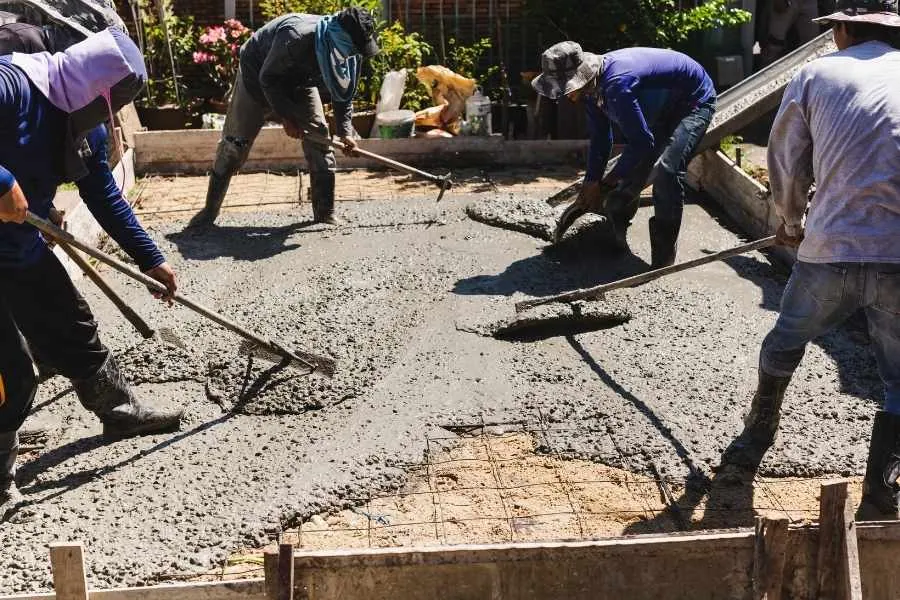
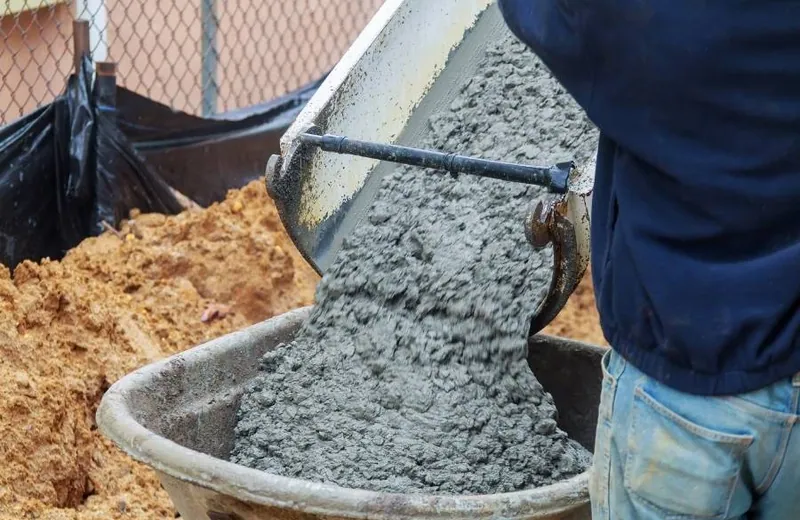
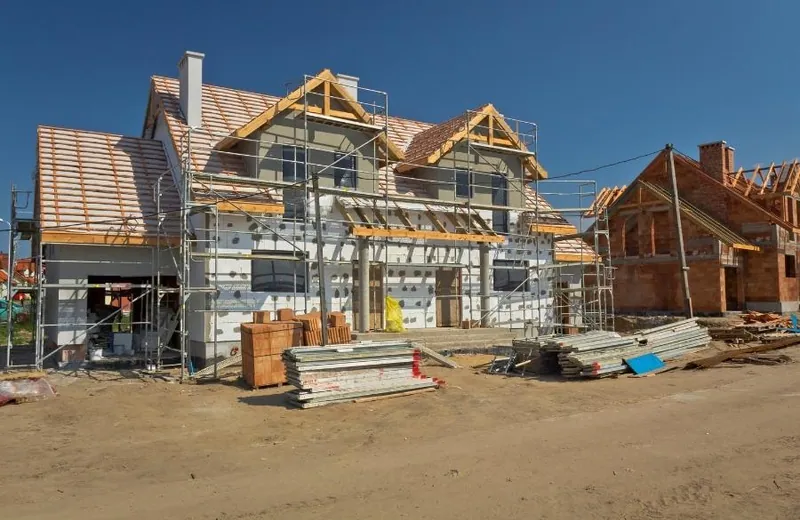
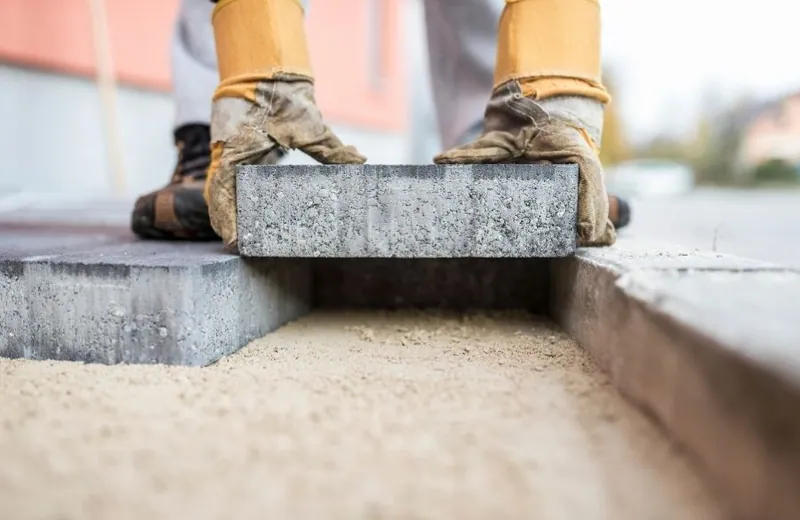
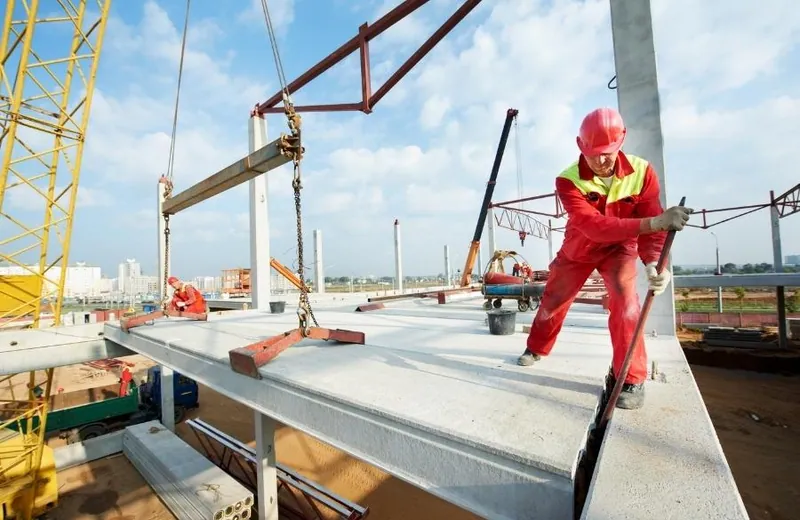
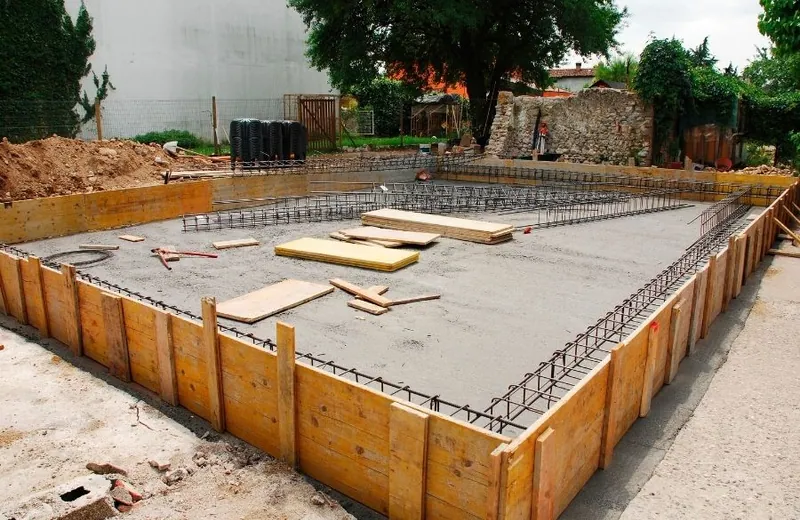
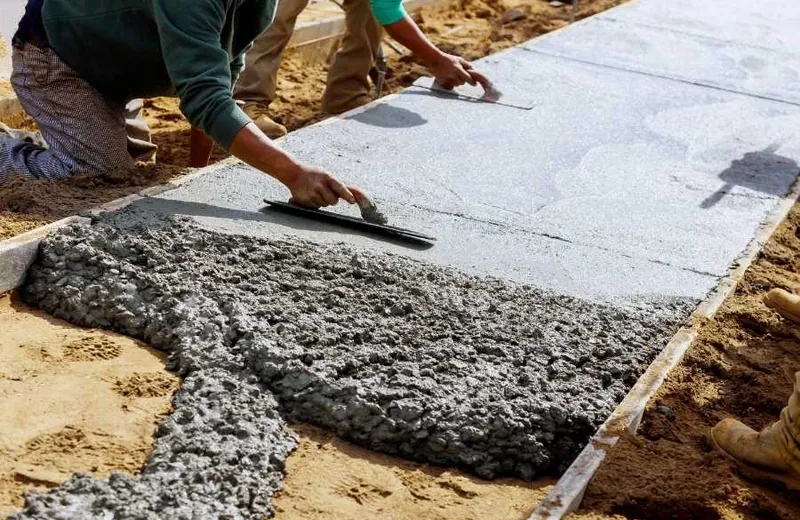
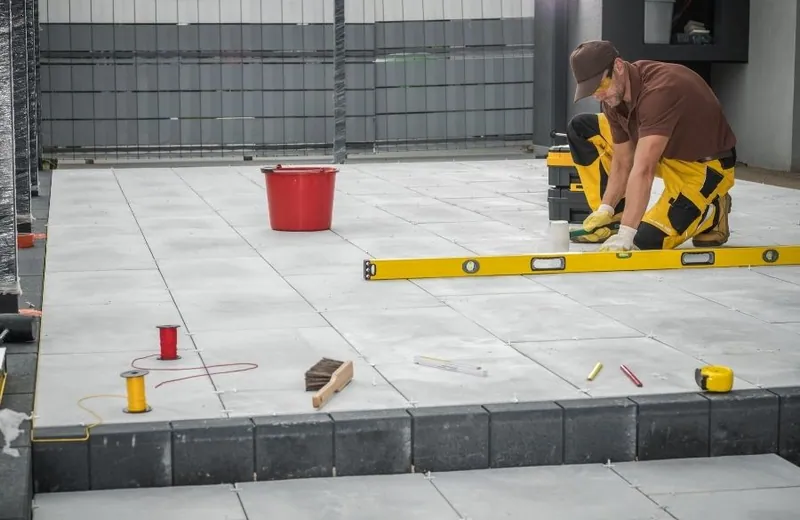
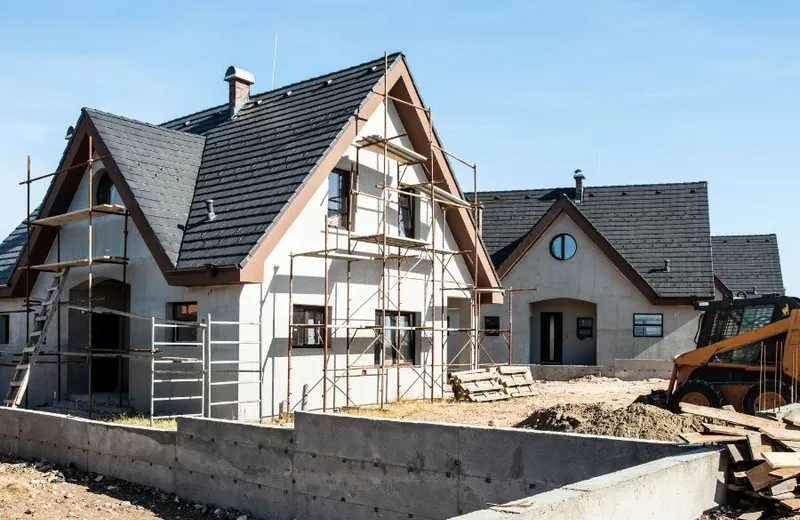
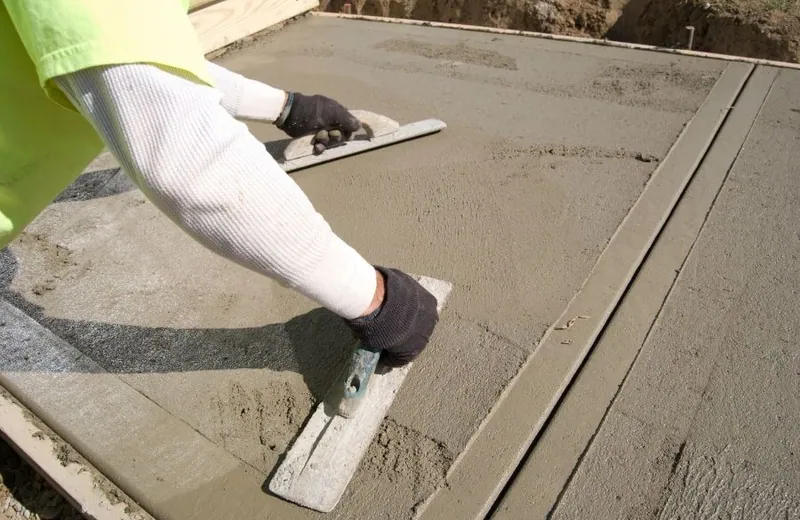
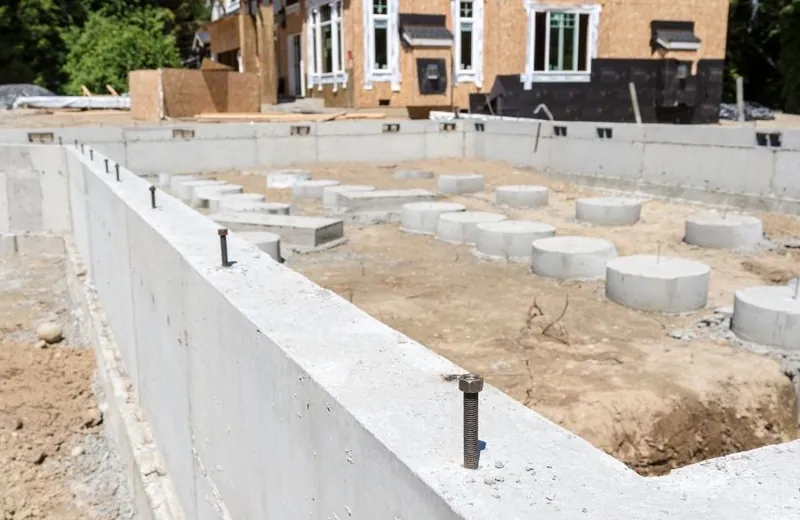
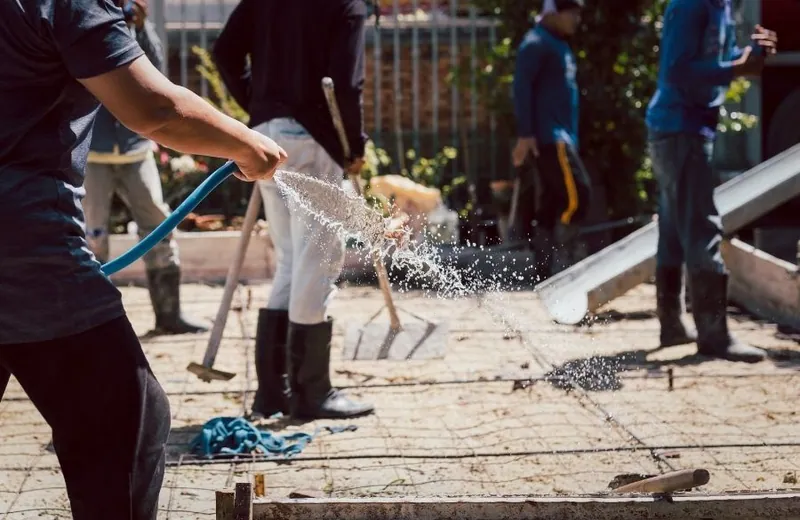
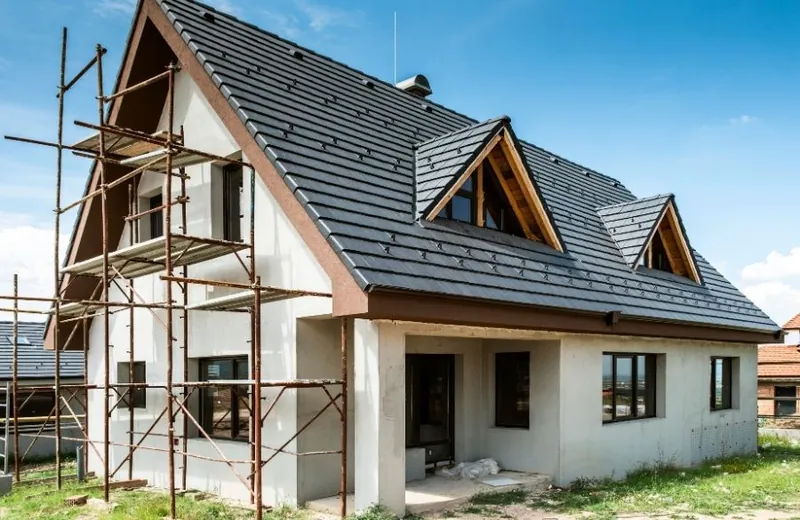
Recent foundation-repair Projects in Rollingwood, TX


Foundation Repair FAQs for Rollingwood Homeowners
How much does foundation repair cost in Rollingwood, TX?
Most residential repairs in the Austin area fall between about $4,500 and $45,000, and the low and high ends look very different. Pier-and-beam leveling in an older bungalow might be $4,500–$12,000. A production slab needing 10–14 pressed piers often runs $6,500–$14,000. Hillside slabs in Rollingwood and West Lake Hills tend to cost more because shallow limestone often calls for drilled or rock-socketed piers, and steep, wooded lots slow down access. Your written report includes elevation readings and clear pricing for each option, and financing is available.
How long does a foundation repair take?
The repair itself usually takes 1–5 days for a typical home. Pier-and-beam re-shimming can be done in a day or two, while a hillside slab with drilled piers and drainage work may take most of a week. The bigger variable is permitting. Rollingwood, West Lake Hills and Austin each run their own review, and engineer letters add time. If you're in an option period, tell us right away and we'll prioritize your inspection and report so you have documentation before your deadline.
Do I need a permit for foundation repair in Rollingwood?
Usually, yes. Rollingwood is its own incorporated city, and structural work, retaining walls and drainage changes generally go through its City Hall permit and inspection process. The city also enforces tree protection and impervious cover limits. West Lake Hills has its own hillside and tree preservation rules. The City of Austin typically requires a building permit with an engineer's design or letter, and the Heritage Tree Ordinance can restrict pier placement near large trees. We handle permit coordination as part of the project.
Will foundation repair hurt my trees and landscaping?
Not if it's planned properly. Many Rollingwood and West Lake Hills lots have protected oaks, and city rules limit excavation in critical root zones. We map trees and root zones during the inspection, place piers to avoid major roots where we can, and set up landscaping and hardscape protection before any digging starts. Some work near protected trees needs city approval first, and we account for that in the schedule. After the repair, we backfill and restore the disturbed areas.
When should I call about cracks or sticking doors?
Call soon if cracks are wider than about 1/4 inch, cracks are growing, doors that used to work now stick or swing, floors visibly slope, or you see stair-step cracks in brick or limestone veneer. Call immediately if you notice a sudden water bill spike, warm spots on the floor or damp flooring with no source, since an under-slab leak can make settlement worse fast. Hairline cracks that don't change are usually cosmetic. Still, a baseline elevation survey tells you for sure.
How can I prevent foundation problems on a hillside lot?
Control water first. Keep gutters clean and route downspouts at least 5–10 feet from the house. Make sure soil slopes away from the foundation and fix any spots where water ponds after storms. If uphill neighbors' runoff reaches your lot, a French drain or surface drain can redirect it. In drought summers, keep perimeter soil evenly moist with a soaker hose instead of letting it crack open. Keep an eye on large trees near the house. Fix plumbing leaks quickly, and get elevation readings every few years so you can catch movement early.
Pressed piers or drilled piers: which do I need?
It depends on what's under your house. Pressed concrete piles are driven down until they hit resistance. They work well in deep clay, which is common in Pflugerville, Manor or Buda. Drilled piers, including bell-bottom piers, are excavated and poured in place, and they can be socketed into limestone. That often makes them the better choice on Rollingwood and West Lake Hills hillsides where rock is shallow or fill is uneven. We base the recommendation on your soils and readings, with engineer input when needed.
Can you help if foundation issues come up during a home sale?
Yes, and it's one of the most common reasons people call us. Option periods in Texas are short, and foundation findings can stall a deal on a high-value Westlake home. We prioritize inspections tied to transactions and provide elevation readings, photos and a written report with repair options. When needed, we coordinate with a structural engineer, since buyers and lenders often ask for an engineer's letter. That gives both sides facts to negotiate with, and once the repair is done you'll have before-and-after documentation.
Serving Rollingwood, TX & Nearby
Schedule Your Rollingwood Foundation Inspection
Cracks, sticking doors and sloping floors don't fix themselves, and Central Texas weather tends to make them worse. Find out what's really happening under your home, with numbers and photos, before small movement turns into a big repair.
- ✓A full elevation survey across your floor plan
- ✓Photos and a written report you can keep or share with a buyer
- ✓Repair options explained in plain language, without upselling
- ✓Structural engineer coordination when the work calls for it
- ✓A bonded and insured crew that protects your trees and landscaping
- ✓Clear pricing, with financing available
- ✓Permit coordination with Rollingwood, West Lake Hills, Austin and nearby cities
⚡ Suspect an under-slab leak (sudden water bill spike, warm floors, damp flooring)? Shut off water if you can and call us right away so we can arrange testing.
Bonded • Insured